Type beat guide that shows how to pick a hard freestyle trap instrumental and use it legally
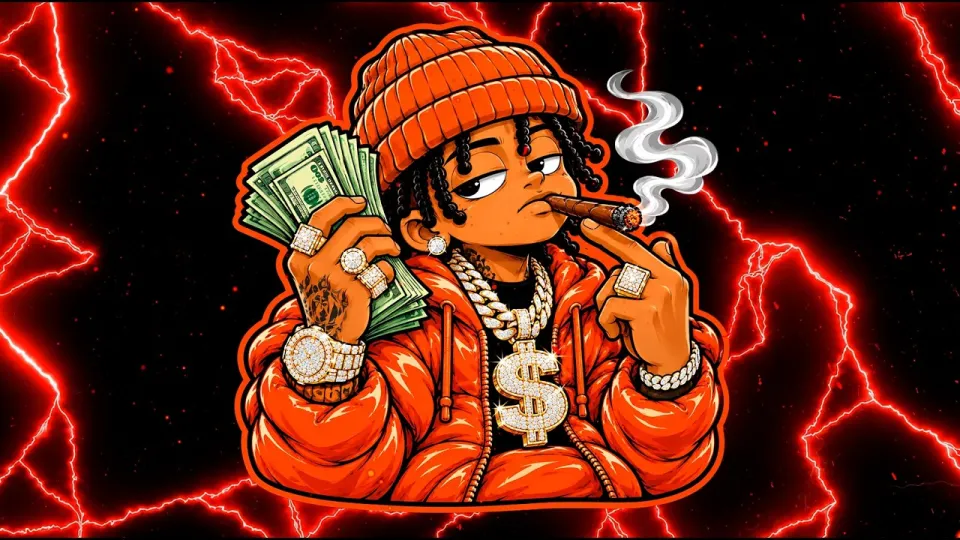
Video: FREESTYLE TYPE BEAT - ''I HAVE HARD FLOW'' | Trap Instrumental 2026 | Rap Type Beat
You can order the same kind of articles for your own video to boost it on YouTube and Google. Just message the Telegram bot @sat_sit_bot. The bot writes and publishes the articles itself (with your YouTube video embedded) on popular topical websites (no ads). Your first 50 articles are free.
· based on the channel Rey Pandora Beats
A type beat is a ready-made instrumental written in the style of a specific artist, region or sound, sold or shared so that other rappers can write and record over it instead of commissioning a custom production. The hard freestyle trap instrumental "I HAVE HARD FLOW" from Rey Pandora Beats is exactly that kind of product: a beat you can download, write to and release, with the terms of use spelled out in the description and paid licenses handled through the producer's BeatStars beat store.
What a type beat actually is and why freestyle versions sell
A type beat is a production that imitates a recognizable sonic template — 808-driven trap, dark piano loops, aggressive brass, triplet hi-hats — while remaining an original composition that the producer owns. The word "type" signals the reference, not a copy of a specific song.
Freestyle type beats are a subcategory built for speed: sparse enough that a rapper can find pockets immediately, repetitive enough that a 16-bar verse and a hook fit without rearranging the arrangement. Producers label them "freestyle" because the beat does not demand a written, structured song — it rewards a one-take delivery.
What you are buying or downloading is a license to use a recording, not the composition itself. That distinction drives every practical decision below.
How to judge whether a hard trap beat is worth your verse
A hard beat is a functional tool, and it can be tested in under a minute. Run these checks before you invest writing time:
- Count the tempo. Most freestyle trap sits in a comfortable pocket where a 16-bar verse feels natural; if you cannot nod in eighths without rushing, the beat is fighting you.
- Isolate the low end. The 808 should carry the melody's root notes and leave room for a vocal; if the bass and the kick collide on every hit, your voice will disappear in the mix.
- Listen for negative space. A freestyle-friendly instrumental drops elements out — a bar of drums only, a bar of melody only — and those gaps are where ad-libs and punchlines land.
- Check the loop length. A four-bar or eight-bar loop with small variations keeps a freestyle from feeling like a metronome.
- Test the intro. If the beat opens with a full arrangement, you have nowhere to build; a short atmospheric intro gives you a natural entry point.
"I HAVE HARD FLOW" follows the aggressive template its title promises: it is tagged as a hard type beat, a freestyle beat and a trap instrumental, and it is aimed at rappers who want a blunt, high-energy backdrop rather than a melodic one.
Free use versus a commercial license in plain terms
The description of the beat sets two clear tiers, and getting them wrong is the most common way independent rappers create problems for themselves.
- Free use: you may use the beat in YouTube videos and personal projects as long as those projects are not monetized, and you must credit Rey Pandora Beats as the producer in the video description or credits.
- Commercial use: monetizing a YouTube video, or distributing the song on Spotify, Apple Music, iTunes and similar platforms, requires purchasing a commercial license.
A practical rule: if money touches the release — ad revenue, streaming royalties, a paid placement — you need the license. If the track is a practice recording, a non-monetized upload or a portfolio piece with credit, the free tier applies. Keep the receipt for any license you buy; distributors and content-ID systems may ask for proof.
Recording a freestyle over a type beat without losing the take
Freestyle quality depends on preparation more than talent. Set the session up so the first take is usable:
- Import the beat at its original tempo and confirm the grid lines up with the drums before you record anything.
- Record a scratch pass with the beat loud in your headphones, then a second pass with the beat quieter so your delivery does not chase the melody.
- Keep two tracks armed — one dry, one with light compression — so a single great take is not lost to a settings mistake.
- Leave the last two bars of every eight open for ad-libs; hard trap beats usually thin out there for exactly that reason.
- Bounce a rough mix the same day. Freestyle energy does not survive a week of over-editing.
If the beat is tagged with a producer voice drop, do not try to edit it out for a release — that tag is the producer's protection, and the licensed file you receive is the clean version.
Questions rappers ask before downloading a free beat
Three concerns come up repeatedly around free type beats, and they are worth answering directly.
First, credit. A mention in the description is not a formality; it is the condition of the free tier, so write "prod. Rey Pandora Beats" in the title or description and keep it there.
Second, visuals and presentation. Listeners notice when a beat channel changes its artwork or video style, and some prefer the older look; for the rapper, what matters is that the audio file you download is the same one you heard, so verify the version before you write.
Third, language and style. Freestyle beats attract verses in Spanish, Indonesian, English and everything else, and nothing in the license restricts the language of the lyrics — only how the recording is used and credited.
Where to get the beat and the paperwork
The instrumental is published on the Rey Pandora Beats YouTube channel, and the description points to a single commercial hub for files and licenses: the Rey Pandora Beats store on BeatStars. That store is where you select a license tier, pay and download the untagged files you are entitled to use.
The channel also lists direct contact routes — Instagram at @rey.pandora and the email papapandorabeat@gmail.com — for questions about licensing, custom work or collaboration. The channel reported roughly 800,000 subscribers at the time of release and is aiming for 900,000, which says something about the volume of rappers already recording over these beats.
Final word on picking a hard freestyle type beat
A good type beat removes friction: it gives you a pocket, leaves space for your voice and comes with terms you can actually follow. "I HAVE HARD FLOW" is built for exactly that job — a hard, freestyle-oriented trap instrumental with free non-monetized use and a paid path to streaming. Credit the producer when you upload, buy the commercial license before you monetize, and treat the beat as a tool rather than a finished song. The breakdown above comes from the Rey Pandora Beats release, and the BeatStars store is where the next step happens.
Key takeaways
- A type beat is an instrumental built in the style of a reference artist or scene, sold or shared for other rappers to write and record over.
- Rey Pandora Beats released the freestyle trap instrumental "I HAVE HARD FLOW" on 19 October 2026 as a free-to-use, non-monetized type beat.
- Free use requires crediting Rey Pandora Beats as producer; monetized releases on YouTube, Spotify or Apple Music need a purchased commercial license.
- Licenses and beat files are available at the producer's BeatStars store, linked in the video description.
- The channel was at roughly 800K subscribers at release and is working toward 900K.
Source: FREESTYLE TYPE BEAT - ''I HAVE HARD FLOW'' | Trap Instrumental 2026 | Rap Type Beat · Markdown version
Questions & answers
Can I upload a song over this type beat to YouTube without paying?
Yes, as long as the video is not monetized and you credit Rey Pandora Beats as the producer in the description or credits. The moment you enable monetization, the free tier no longer applies and you need a commercial license.
Do I need a license to put the track on Spotify or Apple Music?
Yes. Streaming distribution counts as commercial use under the terms in the video description, so you must purchase a commercial license before releasing the song on Spotify, Apple Music, iTunes or similar platforms.
Can I remove the producer tag from the beat myself?
No. The tag protects the producer's work, and the licensed files you receive after purchase are the clean, untagged versions. Editing the tag out of a free download is not permitted.
Does the license limit which language I can rap in?
No. The terms cover how the recording is used and credited, not the language of the lyrics, so verses in English, Spanish, Indonesian or any other language are all fine as long as the usage rules are respected.